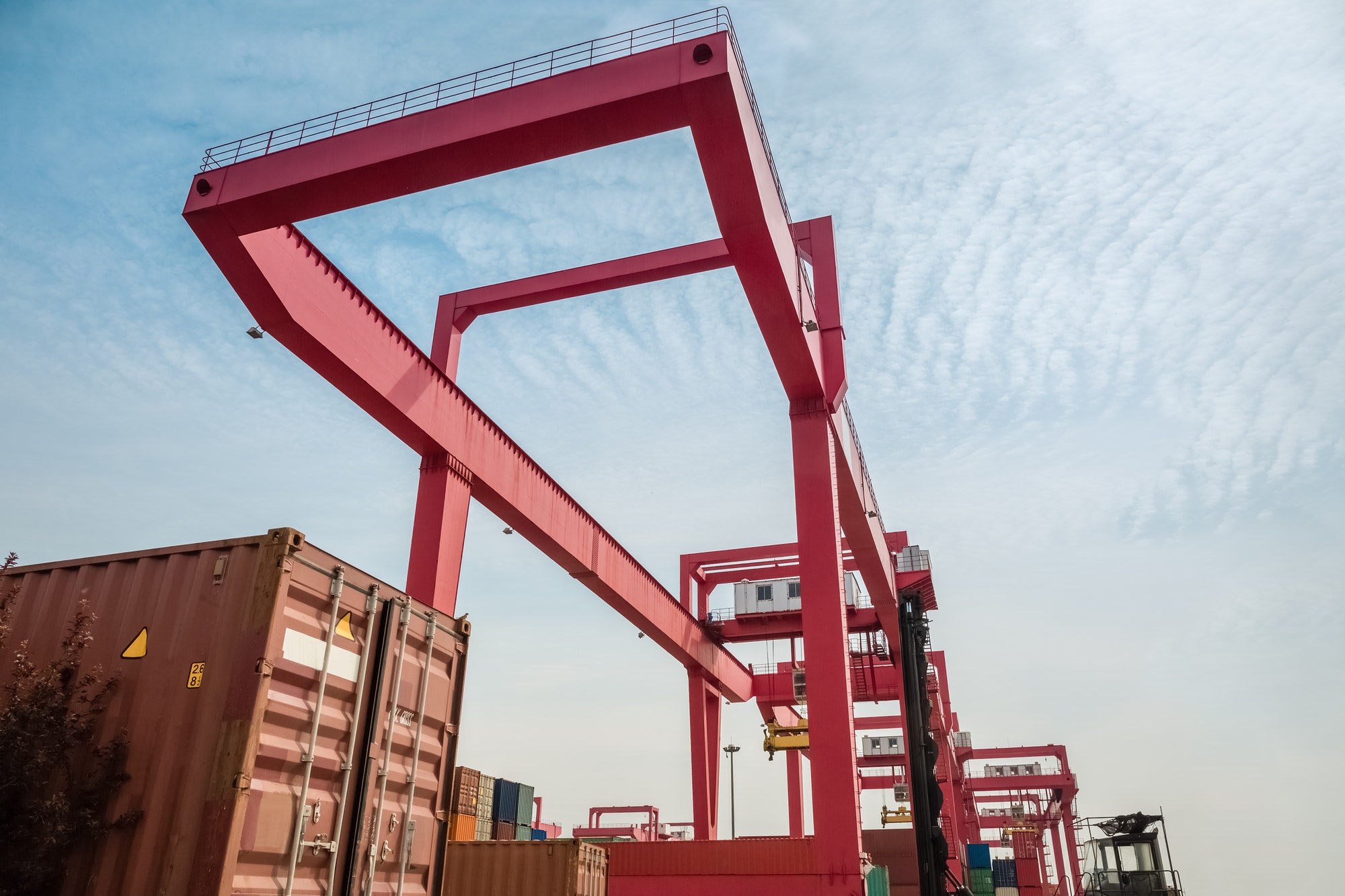
The Future of Marine Trade: How Technology is Transforming Vessel Operations

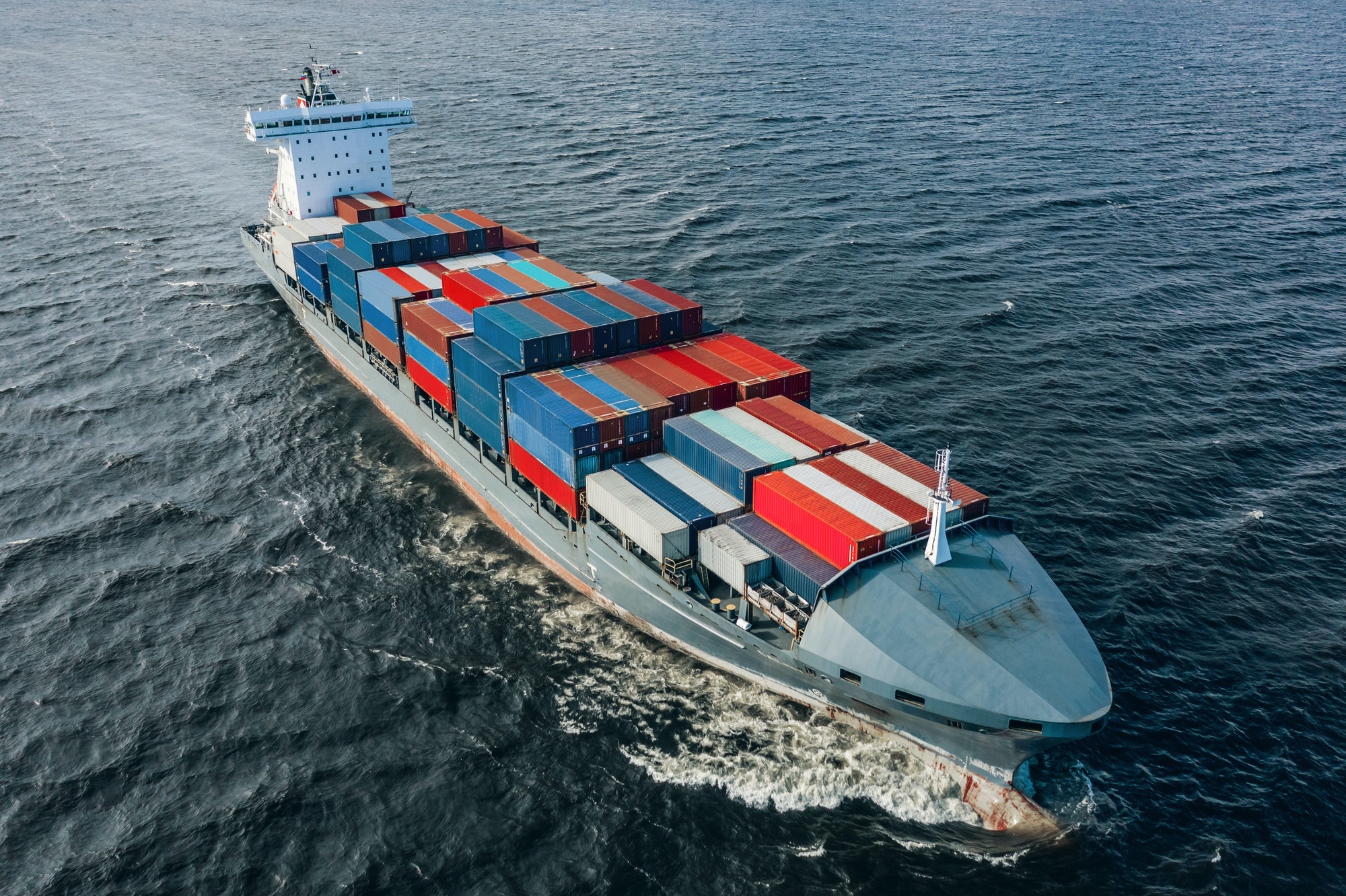
The marine industry has been the backbone of global trade for centuries, but it is now entering a transformative era defined by innovation and technological advancement. The adoption of digital platforms, automation, and predictive analytics is fundamentally reshaping how shipping companies operate their vessels. Marine trade solutions have become central to this transformation, helping businesses streamline processes, improve efficiency, and create more sustainable operations. The integration of smart systems into vessel operations allows real-time monitoring of navigation, weather, fuel consumption, and cargo management. These advancements are not only improving the safety and performance of vessel operations but are also paving the way for sustainable growth in global commerce.
One of the most remarkable developments in recent years has been the rise of automation and smart shipping. Modern vessels are equipped with IoT devices and advanced sensors that deliver critical data around the clock. This information is analyzed to optimize routes, reduce fuel usage, and anticipate maintenance needs. Maritime technology trends point toward a future where partially or fully autonomous vessels could become a common reality, creating safer, faster, and more cost-effective transportation networks. These marine trade solutions are designed not just to cut operational costs but to ensure long-term sustainability in a highly competitive environment.
The use of digitalization in vessel operations has also improved compliance with international maritime standards. Shipowners and operators can now track safety and maintenance records more effectively, minimizing the risks of non-compliance and penalties. Furthermore, innovations in predictive analytics allow operators to identify potential mechanical issues before they become critical problems. By incorporating marine trade solutions that focus on proactive risk management, companies protect their assets while ensuring the safety of their crews and cargo. This marks a significant step forward in making vessel operations more reliable and transparent.
Another important area of focus has been sustainability. With international regulations pushing for reduced carbon emissions, the industry is turning to green technologies. From hybrid propulsion systems to alternative fuels, maritime technology trends are driving the shift towards eco-friendly practices. Shipowners who adopt sustainable marine trade solutions are not only reducing their environmental impact but also positioning themselves as leaders in responsible trade. This balance of efficiency and responsibility is essential in building long-term credibility and trust in the global market.
The competitive edge offered by modern marine trade solutions cannot be overstated. Companies that integrate cutting-edge technologies into vessel operations gain greater control over logistics, optimize their supply chains, and enhance customer satisfaction. By staying ahead of maritime technology trends, businesses can ensure consistent performance even in volatile markets. This adaptability is crucial as the world continues to rely heavily on maritime trade for economic growth and connectivity. The future of vessel operations is therefore not just about transporting goods; it is about creating smarter, safer, and greener trade networks that serve the needs of a rapidly changing world.
In conclusion, the future of marine trade lies in embracing technology and innovation. From automation and digital platforms to sustainability and compliance, every aspect of vessel operations is being redefined. Marine trade solutions provide shipowners with the tools needed to navigate challenges while seizing new opportunities. As maritime technology trends continue to evolve, the companies that adopt these solutions will set the standard for operational excellence, resilience, and growth in the global shipping industry.